Exploring the World of Meditation Training Certification
Delve into the realm of meditation training certification, uncovering its significance and the array of benefits it offers. From understanding the requirements to exploring career opportunities, this comprehensive guide sheds light on all aspects of this enriching journey.

Obtaining a meditation training certification is crucial for individuals looking to deepen their understanding of meditation practices and techniques. It provides a structured learning path, ensuring that instructors are well-equipped to guide others effectively in their meditation journey.

When it comes to obtaining a certification in meditation training, there are several options available to individuals looking to deepen their practice and teach others. Each type of certification program has its own unique curriculum, requirements, and level of recognition in the field.
The MBSR certification program focuses on teaching individuals how to integrate mindfulness practices into their daily lives to reduce stress and improve overall well-being. The curriculum typically includes training in mindfulness meditation, body scan practices, and mindful movement techniques.
TM teacher certification programs are designed to train individuals to teach the specific technique of Transcendental Meditation. The curriculum often includes in-depth instruction on the practice of TM, as well as guidance on how to effectively teach it to others.
For those interested in teaching meditation as part of a broader yoga practice, obtaining a meditation teacher certification through Yoga Alliance can be a valuable option. The curriculum typically covers various meditation techniques, as well as the philosophy and history of meditation within the context of yoga.
With the rise of online learning platforms, many organizations now offer meditation teacher certification programs that can be completed remotely. These programs often include video lectures, interactive assignments, and virtual practice sessions to help students develop their teaching skills.

To pursue a meditation training certification, certain prerequisites need to be met to ensure a solid foundation for the training process.
In terms of educational background, most meditation training programs require at least a high school diploma or equivalent. Some programs may have specific requirements related to college-level education or relevant work experience in the field of mental health, wellness, or coaching.
Before enrolling in a meditation training certification program, applicants may need to complete certain prerequisite courses or workshops. These could cover topics such as basic meditation techniques, mindfulness practices, psychology of meditation, or teaching methodologies. These preparatory courses help candidates develop a fundamental understanding of meditation practices before diving into more advanced training.
Having prior experience with meditation can greatly impact the certification process. Individuals who have been practicing meditation regularly may find it easier to grasp advanced concepts and techniques taught during the training. Additionally, prior meditation practice can demonstrate dedication to the practice and a deeper understanding of its benefits, which may be beneficial during the certification process.

To obtain a meditation training certification, individuals must follow a specific process that includes application, examination, and ongoing education requirements.

Individuals with a meditation training certification have various career paths available to them, with opportunities in different settings. The demand for certified meditation instructors is on the rise, creating a need for skilled professionals in the field. Let’s explore the potential income levels and job growth prospects for those with a meditation training certification.
Certified meditation instructors can earn varying incomes depending on factors such as experience, location, and the type of setting they work in. According to the U.S. Bureau of Labor Statistics, the median annual wage for fitness trainers and instructors was $40,390 in May 2020, with job growth projected at 15% from 2019 to 2029, much faster than the average for all occupations.
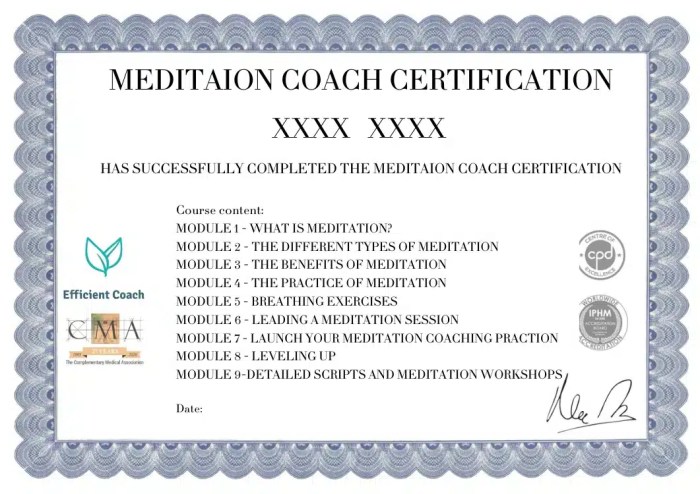
In the field of meditation, continuous learning and skill development are crucial for professionals to stay updated with the latest techniques and research. Specialized certifications and advanced training options provide opportunities for certified instructors to enhance their expertise and cater to specific populations or niche areas.
Specialized certifications allow meditation instructors to tailor their services to specific populations or communities. For example, certifications in meditation for children, seniors, individuals with anxiety disorders, or corporate professionals can help instructors address the unique needs and preferences of these groups.
+SAMPLE%2BThe%2BPath%2BMeditation%2BTeacher%2BTraining%2BCertificate+(1).png?format=2500w?w=700 "Samavira Meditation Teacher Training Certification")
As we conclude our exploration of meditation training certification, it becomes evident that this path not only offers professional growth but also a deeper connection to the practice of meditation. Embrace the opportunities that come with certification and pave the way for a fulfilling career in this field.
What are the benefits of obtaining a meditation training certification?
Having a certification not only enhances credibility but also opens up various career paths in different settings.
Are there any prerequisites for pursuing a meditation training certification?
Typically, a background in meditation practice or relevant experience is required, along with completing specific courses or workshops.
How can one maintain their meditation training certification?
Renewal requirements often involve ongoing education and staying updated with the latest practices in the field.